
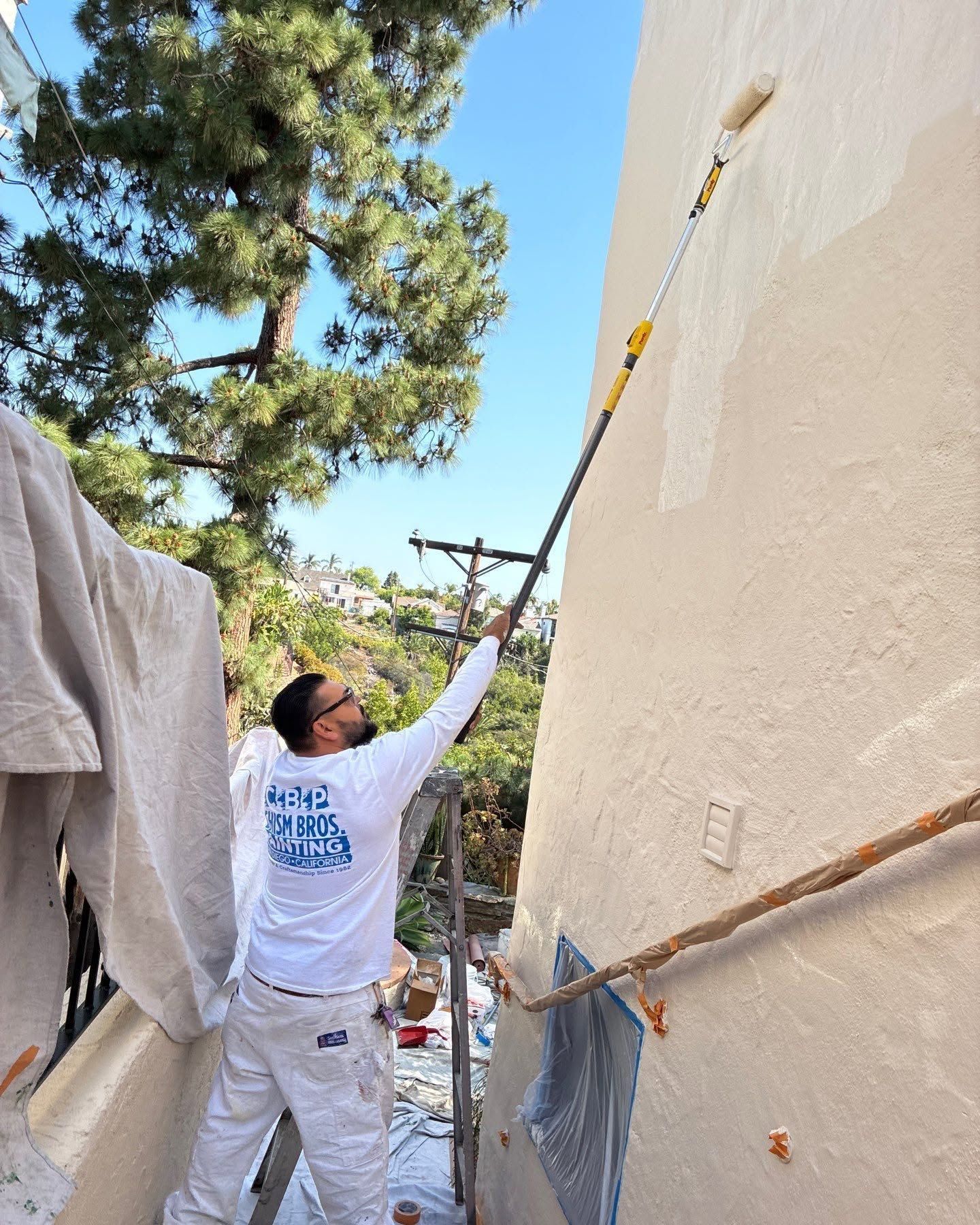
How to Read a Commercial Painting Proposal in San Diego: What Should (and Shouldn't) Be in the Bid
Last Updated: October 25, 2026
Comparing commercial painting proposals can be a little confusing, especially when two contractors look at the same building and come back with prices that are thousands of dollars apart. Is one overpriced? Is the other cutting corners? Or are they simply proposing two very different projects?
A good commercial painting proposal should clearly explain the scope of work, surface preparation, paint products, number of coats, scheduling, cleanup, and warranty. If those details are missing, it's difficult to know what you're actually paying for, let alone compare bids fairly. And when you're responsible for maintaining a commercial property, the last thing you want is to discover halfway through a project that something you assumed was included actually costs extra. So, let's talk about what to look for before signing on the dotted line.
Every Proposal Should Clearly Define the Scope of Work
The first thing to look for is a clear description of exactly what's being painted. That might sound obvious, but you'd be surprised how much confusion can come from a proposal that simply says paint exterior of building.
Does the price include every elevation? What about doors, trim, railings, metal surfaces, or previously painted masonry? For interior projects, are ceilings, door frames, and common areas included?
A detailed proposal should identify the specific buildings, surfaces, and areas being painted, along with anything that's excluded. The more clearly the scope is defined, the fewer opportunities there are for misunderstandings later.
Don't Skip the Preparation Details
Here's something worth remembering: Much of what determines how long a paint job lasts happens before the first finish coat goes on. Commercial properties can have a wide range of surface conditions, from peeling paint and deteriorated caulking to rusted metal, cracked stucco, and damaged drywall. Proper preparation may include pressure washing, scraping, sanding, patching, caulking, rust treatment, and priming. Your proposal should explain which of these steps are included and how they'll be handled. A contractor who takes preparation seriously should have no problem describing the process. Painting over a problem doesn't make it disappear. It just makes it a slightly more colorful problem.
What's Included...and What's Missing?
One of the easiest ways to compare proposals is to look beyond the price and see how each contractor answers these questions:
- Paint Products: Does the proposal specify the manufacturer and product line, or does it simply say premium paint? Knowing exactly which products will be used makes it much easier to compare bids fairly.
- Number of Coats: Will surfaces receive one coat, two coats, or coverage as needed? The proposal should clearly explain what's included so there are no surprises later.
- Project Schedule: Will the work be completed during business hours, evenings, weekends, or in phases to minimize disruptions? A clear schedule helps set expectations from the start.
- Warranty: Is there a workmanship warranty? If so, what does it cover, and how long does it last? A quality proposal should spell this out.
- Cleanup: Does the proposal explain how surrounding areas will be protected and what cleanup is included? Daily cleanup and a final walkthrough are signs of a well-planned project.
These details might not be the most exciting reading material, but they can make a significant difference in how smoothly your project goes.

Beware of Vague or Incomplete Bids
A lower price isn't automatically a red flag. Sometimes a contractor simply has a more efficient process, lower overhead, or a different approach to the project. But a proposal that's missing important details needs a closer look. Watch for bids that use broad phrases without explaining the work, leave preparation or repairs undefined, fail to identify products, or don't address scheduling and cleanup.
If something isn't clear, ask. A reputable contractor should be willing to walk you through the proposal, explain their recommendations, and clarify what's included. And remember, the cheapest bid can become considerably less attractive when unexpected costs start showing up.
A Good Proposal Makes Comparing Contractors Easier
What's the takeaway? A professional painting proposal should do more than give you a number. It should serve as a roadmap for the project, helping you understand what's being done, how the work will be completed, and what you can expect along the way.
At Chism Commercial Painting & Contracting, we believe proposals should be clear, thorough, and easy to understand. Our goal is to help San Diego property owners and facility managers make informed decisions, compare their options confidently, and move forward without unnecessary surprises. Because the only surprise you should get from a painting project is how good the building looks when it's finished.
Frequently Asked Questions
Q: Why do commercial painting bids vary so much?
A: Contractors may be pricing different scopes of work, preparation methods, paint products, repair allowances, or scheduling requirements. Comparing the details is more useful than comparing the totals alone.
Q: Should a commercial painting proposal list specific paint products?
A: Yes. Ideally, it should identify the manufacturer, product line, and coating system so you understand what's being applied and can compare proposals fairly.
Q: Is the lowest commercial painting bid always a bad choice?
A: Not necessarily. A lower bid can be perfectly
reasonable if it includes the appropriate preparation, products, and scope of work. The important thing is understanding why the prices differ.
Q: What kind of warranty should a commercial painting contractor provide?
A: Warranty terms vary by contractor and project. Look for a written explanation of what's covered, how long the coverage lasts, and any exclusions or maintenance requirements.
Q: Can I ask a contractor to revise or clarify their proposal?
A: Absolutely. If something is unclear or missing, ask for clarification before approving the work. A detailed written proposal helps protect both the property owner and the contractor.