Why Planning Your San Diego Commercial Painting Project NOW Pays Off
Short answer: Why plan your commercial painting project in San Diego during the winter months? It gives you more control over scheduling, reduces disruption to staff, customers, and tenants, and keeps you right in the driver’s seat. Early planning also allows businesses and property managers to prioritize high-impact areas, coordinate around operations, and keep maintenance proactive instead of urgent.
If you manage a building or run a business, you’ve probably said this at least once: “We’ll take care of painting when things slow down.” And honestly, that makes sense… until you realize things never really slow down. They just get busy in different ways.
Here’s the reality: planning your commercial painting project now is one of the easiest ways to save time, reduce headaches, and avoid paying for a rushed job later. Whether you manage an office, a retail space, a multi-unit property, or a hospitality building, early planning helps you control the schedule instead of the schedule controlling you.
So what makes “now” such a smart time to plan? Let’s break it down.
The Real Benefit of Planning Ahead (Hint: It’s Not Just the Paint)
When businesses delay painting, it usually becomes a reactive project. Something starts looking worn. Tenants complain. Customers notice. Someone schedules it last-minute… and suddenly it’s urgent.
Planning ahead keeps painting where it belongs: in the “smart maintenance” category, not the “emergency scramble” category. Here’s what you gain when you plan early.
Better scheduling options:
Commercial painting is all about timing. Planning now gives you more flexibility to choose the dates and work windows that make sense for your operations.
Less disruption to staff, customers, or tenants:
The earlier you plan, the easier it is to coordinate access, communicate the schedule, and reduce interruption across high-traffic areas.
More control over scope and budget:
When you have time to plan, you can prioritize what matters most instead of doing a rushed “paint everything” approach. That usually leads to better results and fewer surprise costs.

What Commercial Painting Looks Like Across Different Industries in San Diego
Commercial painting isn’t one-size-fits-all. Planning ahead allows each type of property to schedule work in a way that fits how the space is used.
Offices and Professional Buildings:
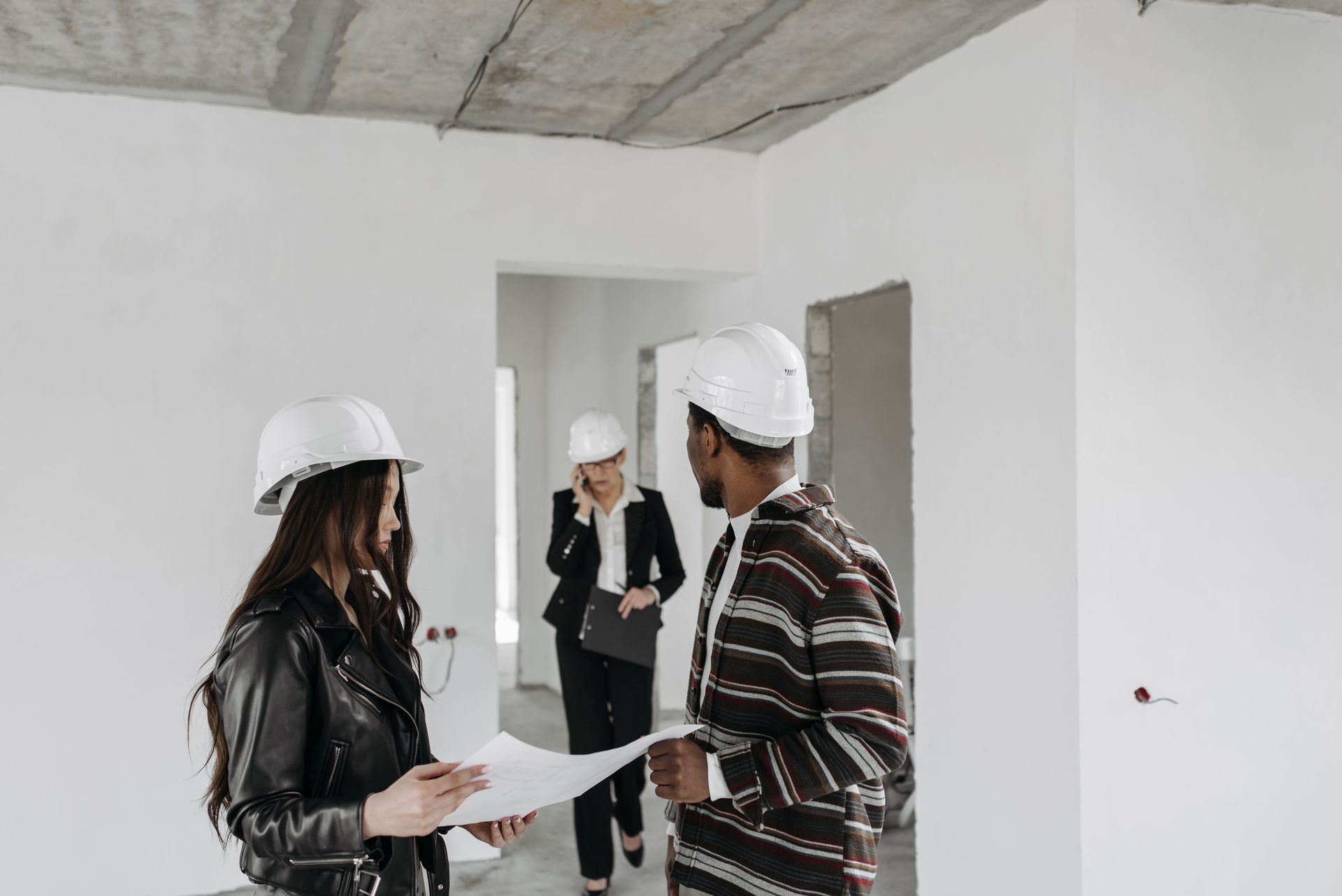
In office settings, the biggest priority is keeping the work environment functional. Planning early helps you schedule work after-hours or by suite, avoid interrupting meetings and peak productivity times, and coordinate around IT setups, furniture layouts, and shared spaces.
Even simple updates like refreshed conference rooms, lobbies, and hallways can make a space feel more professional and better maintained.
Retail and Customer-Facing Businesses:
Retail painting is all about first impressions. If customers see scuffed entry walls, faded colors, or damaged trim, they subconsciously assume the same thing about the business: “Not well maintained.” If you plan ahead, you may be able to schedule work during closed hours, avoid disruption during promotions or seasonal rushes, and refresh high-visibility areas like entrances and checkouts first.
It also gives you time to choose colors that match branding instead of grabbing the closest “neutral beige” and hoping for the best.
Property Management and Multi-Unit Buildings:
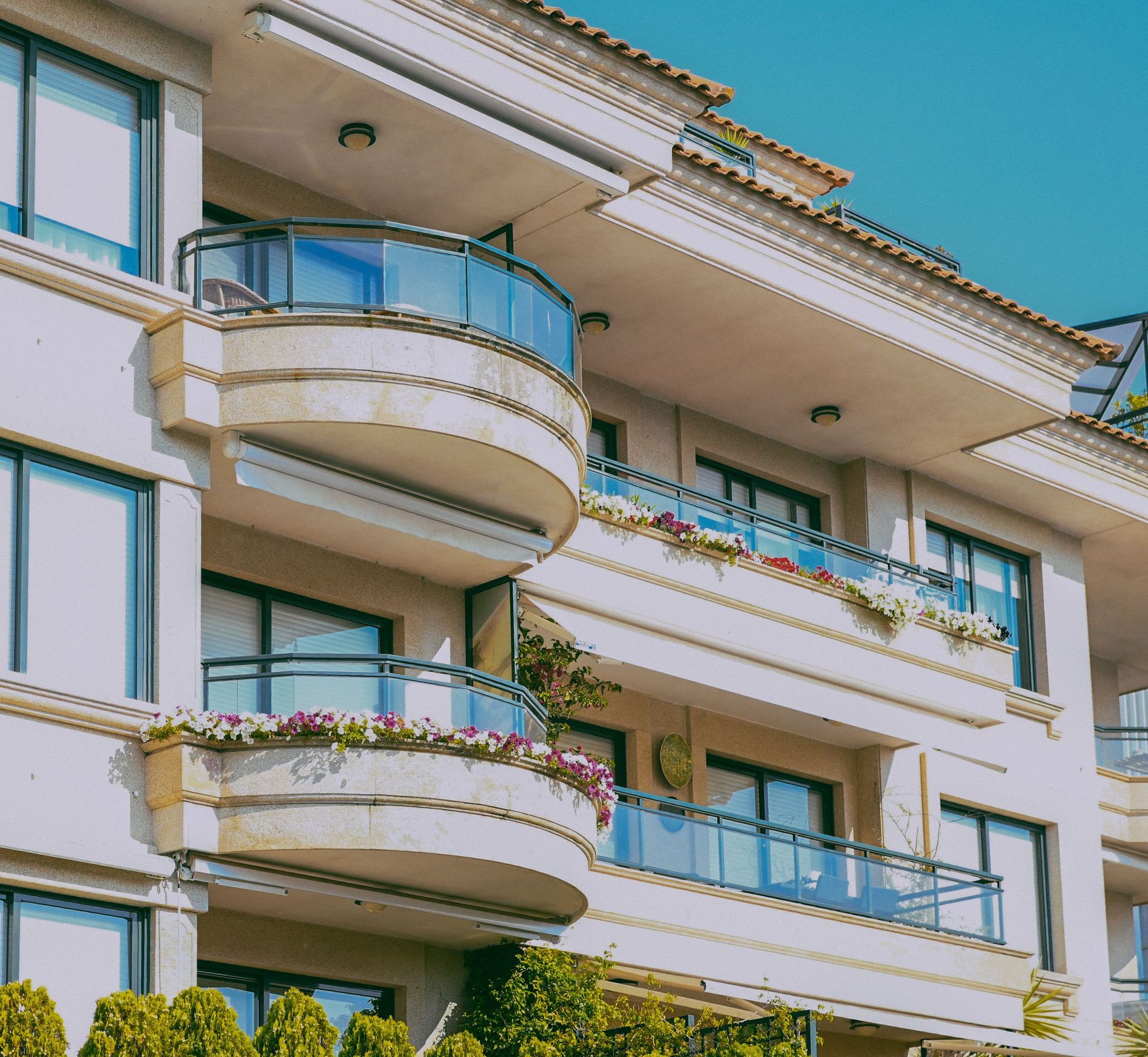
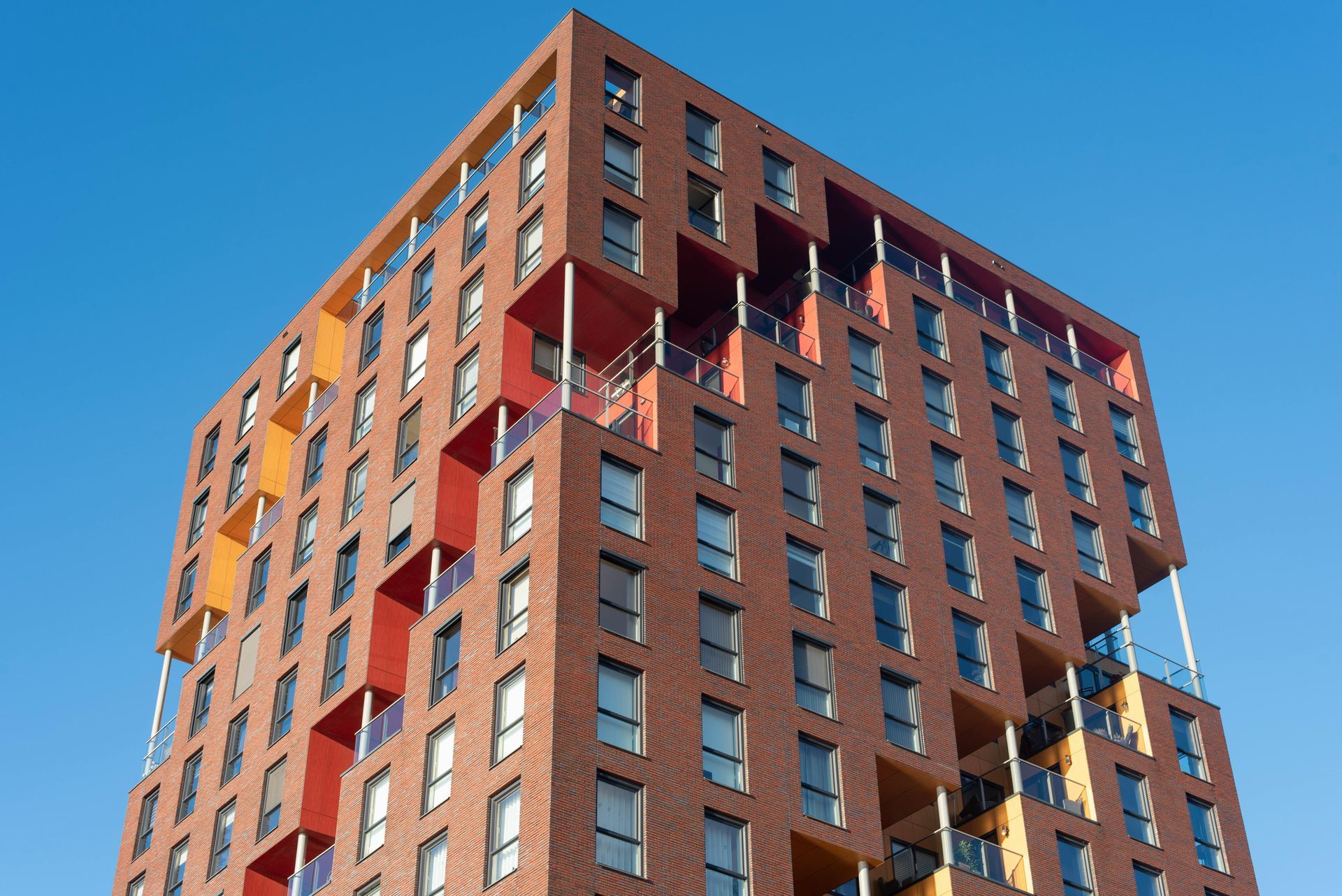
For property managers, interior painting is often connected to turnover, unit readiness, and tenant satisfaction. Starting early helps you coordinate common area schedules, align unit repainting with vacancy windows, and maintain a consistent look across buildings and units.
Instead of waiting for hallways to look weathered and worn, proactive painting keeps the property feeling cared for year-round.
Hospitality and Restaurants:
In hospitality, painting is part of the guest experience. People might not compliment your walls, but they will notice if they look worn. To get things painted, you typically need to schedule work around booked weekends, phase work by floor, dining area, or wing, and protect guest comfort by minimizing noise, odors, and closure time. Something that is hard to do without some planning and forethought.
Hotels and restaurants benefit most from painting when the work feels invisible to the customer.
Medical, Dental, and Care Facilities:
For medical environments, the priority is professionalism, cleanliness, and minimizing interruption. Some advantages of early painting here could mean enabling you to schedule around patient volume, work in phases to keep rooms in use, and coordinate with strict safety and cleanliness standards.
Remember, even calm, updated colors can influence how patients feel in the space. A well-maintained facility builds confidence before anyone even checks in.

What Gets More Expensive When You Wait
Waiting doesn’t just delay the project. It can also make it more costly, because:
Your choices get limited:
When schedules fill up, you often have fewer time slots available. That can force work into inconvenient windows, or reduce your ability to phase things properly.
You lose the ability to plan around your busiest season:
Painting works best when it’s scheduled around your operations, not dropped into the middle of peak demand.
Surface issues grow:
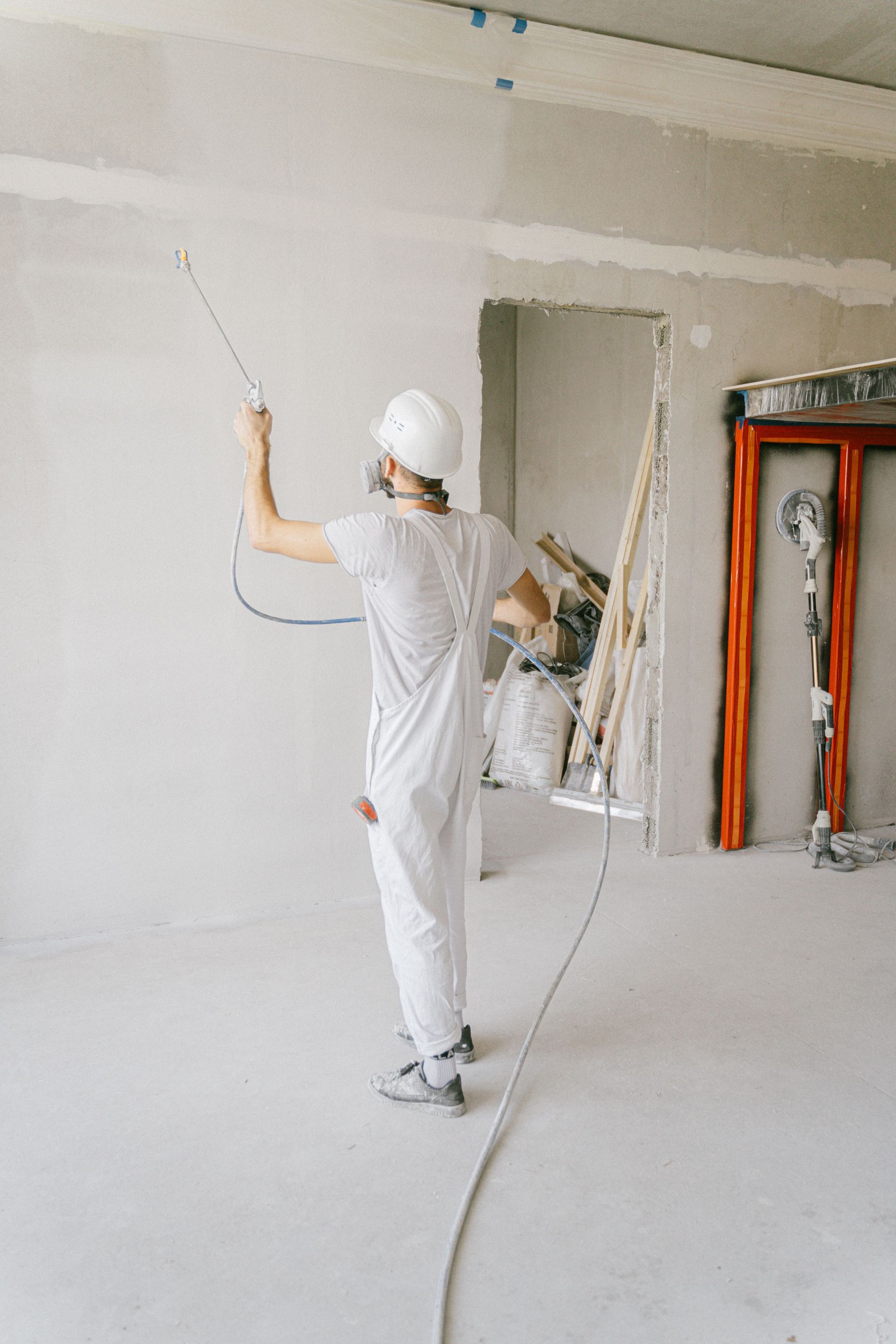
Small problems become bigger ones: scuffs become damaged drywall, chips turn into peeling, moisture issues create staining, and high-touch areas start looking permanently worn. Planning early keeps surface prep manageable instead of turning it into a repair-heavy job.
A Quick Checklist: How to Plan a Commercial Painting Project the Smart Way
You don’t need a 20-page plan. You just need clarity.
Start with:
- What areas matter most for appearance (lobbies, entrances, hallways)
- What areas get the most wear (doors, trim, stairwells, breakrooms)
- What hours make sense for work (nights, weekends, phased access)
- Whether you need touch-ups or a full repaint
- Whether your color scheme still fits your business
The more answers you have upfront, the smoother the project becomes. Have more questions? Contact us at Chism Brothers Painting today!
Frequently Asked Questions About Commercial Painting Planning in San Diego
Q. When is the best time to plan a commercial painting project?
The best time is before the project becomes urgent. Planning several months ahead gives you flexibility with scheduling, allows for phased work, and helps you avoid disruptions during your busiest season.
Q. Can commercial painting be scheduled around business hours?
Yes. With proper planning, many commercial projects can be completed after hours, on weekends, or in phases to minimize disruption. This is much harder to coordinate when projects are scheduled last-minute.
Q. Does waiting to paint increase costs?
It often does. Delaying can lead to more surface damage, limited scheduling options, and rushes. Planning early helps keep projects efficient and focused instead of repair-heavy.
Q. What types of businesses benefit most from early painting plans?
Offices, retail spaces, multi-unit properties, hospitality businesses, and medical facilities all benefit from planning ahead. Any space that relies on appearance, cleanliness, or daily operations sees better results with proactive scheduling.
Q. How far in advance should commercial painting be planned?
Ideally, planning should start several months ahead of your target timeframe. This allows time to assess priorities, align with operations, and secure scheduling that fits your needs.