How San Diego Property Managers Can Budget for Exterior Painting Across a Multi-Building Portfolio

Last Updated: September 23, 2026

Budgeting for exterior painting across multiple properties is a little different than budgeting for one building. You’re not just asking, “How much will this repaint cost?” You’re trying to figure out which buildings need attention first, which can safely wait, how to spread costs across budget cycles, and how to avoid having five properties suddenly need painting at the same time.


The short answer? Start with the condition of each property, not a fixed repaint schedule. Then prioritize based on coating failure, substrate damage, exposure, and maintenance needs. A multi-year painting plan can help property managers spread costs more predictably while taking care of the buildings that actually need attention first.


Start with a Portfolio-Wide Assessment


When you manage multiple buildings, it’s tempting to work from the last-painted date alone. Building A was painted eight years ago, Building B six years ago, Building C four years ago...so clearly A goes first.


Maybe. But not necessarily.


Two buildings painted at the same time can age very differently. One may get hammered by direct San Diego sun every afternoon, while another is more protected. Coastal properties may deal with salt air and moisture. Different substrates, previous coatings, landscaping, irrigation, and even building orientation can affect how quickly an exterior deteriorates. A portfolio-wide assessment gives you a much better starting point. Instead of simply asking how old the paint is, look at how well it’s actually performing.


Not Every Building Needs the Same Priority


Once you understand the condition of each property, you can begin sorting projects by urgency. This is where a multi-year budget starts becoming much more useful.


Priority 1: Active Coating or Substrate Problems

Peeling paint, exposed wood, significant stucco cracking, failed caulking, corrosion, or areas where moisture may be getting into the building generally deserve attention first. Delaying these projects can turn a painting expense into a painting-plus-repairs expense.


Priority 2: Paint Is Aging, But Still Protecting

Maybe the color has faded or the coating is beginning to chalk, but the underlying surfaces remain protected and stable. These properties should be on the radar, but they may not need to jump to the front of the line.


Priority 3: Mostly Cosmetic Concerns

A property may simply look dated compared with the rest of the portfolio. That can absolutely matter, especially for apartment communities, HOAs, retail properties, and other buildings where appearance affects perception. But if the coating is still performing properly, you may have more flexibility in when the repaint happens.


The point isn’t to ignore appearance. It’s to separate “we’d really like to repaint this” from “we really should repaint this.”


Build a Multi-Year Painting Plan


Once properties are prioritized, you can start spreading projects across several budget cycles rather than reacting to them one at a time. For example, a property manager with six buildings may determine that two need painting relatively soon, two should be planned for the following year or two, and two are still performing well enough to monitor. That gives you something much more useful than six individual estimates. It gives you a roadmap. A good portfolio painting plan should account for:

  • Current coating and substrate condition
  • Expected repair needs
  • Approximate repaint windows
  • Estimated project costs
  • Properties or elevations requiring earlier attention
  • Annual maintenance between larger repaint projects
  • Potential cost increases over the planning period


The plan doesn’t have to predict exactly what Building C will cost three years from now. Nobody’s crystal ball is that good. It should give you enough information to build realistic reserves and avoid major projects sneaking up on the budget.

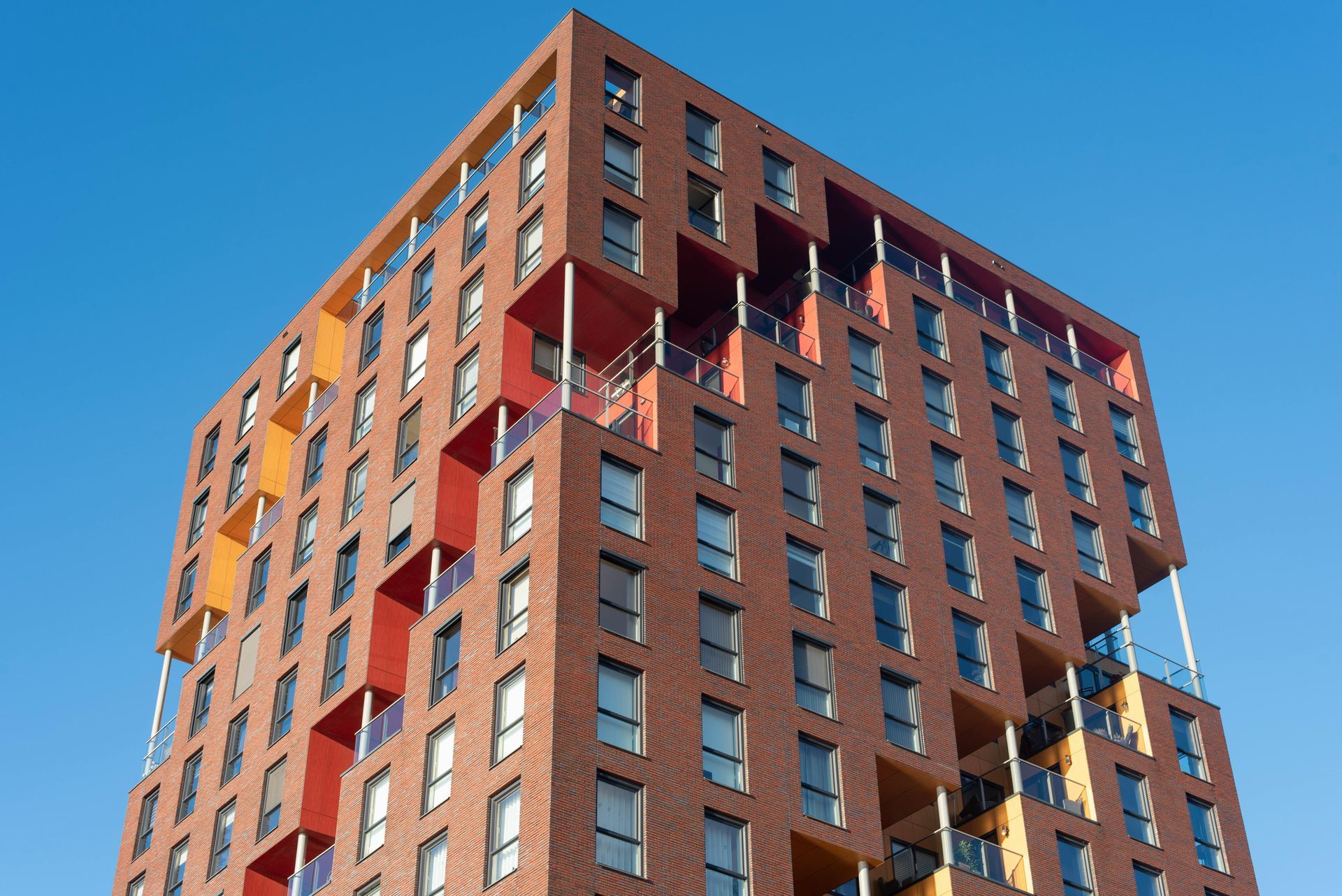
Modern red-brick high-rise building with many windows against a clear blue sky

Remember That San Diego Buildings Don't Age Evenly


San Diego's climate is favorable for exterior painting in many ways, but that doesn't mean coatings get an easy ride. UV exposure is a major factor. South- and west-facing elevations can fade and deteriorate faster because they receive more direct sunlight. Properties closer to the coast may experience additional exposure to salt air and moisture. Stucco cracking, failed sealants, wood deterioration, and corrosion can also change maintenance needs from one property to another. Even different elevations on the same building can age at different rates. That’s why budgeting strictly around a universal seven-year or ten-year repaint cycle can be misleading. Inspection and condition should help drive the schedule.


Don't Budget for Paint Alone


One of the easiest budgeting mistakes is setting aside money for the repaint itself without considering what may need to happen before painting. Exterior projects frequently involve preparation and repairs, particularly as buildings age. Depending on the property, your budget may need to account for pressure washing, stucco repairs, wood replacement, caulking, rust treatment, waterproofing details, or other surface preparation.


Access can affect costs, too. Multi-story buildings may require lifts, scaffolding, or additional safety measures. Occupied properties may need phased scheduling to keep entrances, parking areas, walkways, and businesses accessible. The more of those variables you identify ahead of time, the more useful your budget becomes. The same goes for your commercial painting proposal, which should clearly explain the scope, preparation, products, and other costs included in the project. 


Maintenance Can Help Protect the Bigger Budget


Periodic inspections and targeted maintenance can help property managers catch smaller problems before they spread. Failed caulking can be replaced. Localized damage can be repaired. High-exposure areas can be monitored more closely. And yes, sometimes a touch-up really is just a touch-up.


The important thing is not to use small repairs indefinitely to postpone a repaint that's clearly due. Strategic maintenance should help you protect the existing coating system, not keep it on life support forever.


The Takeaway? A Better Budget Starts with Better Information


Managing exterior painting across a multi-building portfolio is ultimately about replacing surprises with a plan. Know what condition each property is in, identify which projects are most urgent, account for repairs and access requirements, and then build a realistic schedule across future budget cycles.


At Chism Commercial Painting & Contracting, we work with San Diego property managers to evaluate exterior conditions and plan painting projects around real property needs, operational requirements, and long-term budgets. If you're looking ahead at several properties, we can help you understand what needs attention now and what can reasonably be planned for later.


Give us a call! 


Frequently Asked Questions


Q: How often should commercial buildings in San Diego be repainted?
A: There isn't one schedule that works for every property. Exposure, substrate, previous preparation, coating quality, maintenance, and building condition all affect repaint timing.


Q: Should every building in a portfolio be painted on the same schedule?
A: Usually not. Evaluating each building individually can help you prioritize spending based on actual condition rather than age alone.


Q: What should be included in an exterior painting budget?
A: In addition to painting, consider preparation, repairs, access equipment, safety requirements, scheduling needs, and ongoing maintenance.


Q: Can maintenance help delay a full repaint?
A: In some cases, yes. Addressing failed caulking, localized coating failure, or minor substrate damage early can help protect otherwise sound exterior coatings.


Q: How far ahead should property managers budget for exterior painting?
A: A multi-year plan is often helpful for larger portfolios. It allows you to prioritize upcoming projects, forecast major expenses, and adjust the schedule as property conditions change.

Share this article

Recent Posts

August 25, 2026
Should your HOA repaint the entire community or tackle buildings one at a time? Learn the financial pros and cons of each approach.
July 20, 2026
Comparing commercial painting bids? Learn what every proposal should include, common red flags, and how to choose the right contractor in San Diego.
June 26, 2026
Comparing exterior painting estimates in San Diego? Learn what low bids may leave out, from prep work and paint quality to warranties, repairs, and contractor qualifications.
May 20, 2026
Should you hire a commercial painting company with employees or subcontractors? Learn how each model can affect communication, consistency, oversight, and project experience for property managers.
April 30, 2026
Not sure when to repaint? Here’s how to spot the signs and plan ahead.
March 29, 2026
Don’t get stuck waiting for availability. Discover the best time to schedule your commercial painting project and keep your timeline on track.
February 18, 2026
Hiring a commercial painter in San Diego? Here’s what property managers need to know about experience, scheduling, insurance, and minimizing tenant disruption.
By David Chism • January 26, 2026
Things never really slow down. Learn why smart San Diego businesses plan commercial painting now for better scheduling, fewer headaches, and smoother results.
Tan stucco building with arched windows, black iron balconies, and tiled roof against a blue sky.
February 7, 2025
Protect your San Diego commercial property with expert painting maintenance from Chism Bros. Painting. Prevent costly repairs & enhance curb appeal.
Green van with open door next to red storage units at a U-Haul facility.
October 17, 2023
Looking for a San Diego painting company? As long-time native San Diegans, Chism Bros. Painting offers a stree-free painting experience.
Show More